Civil Aviation industry
Flying the Stressful Skies
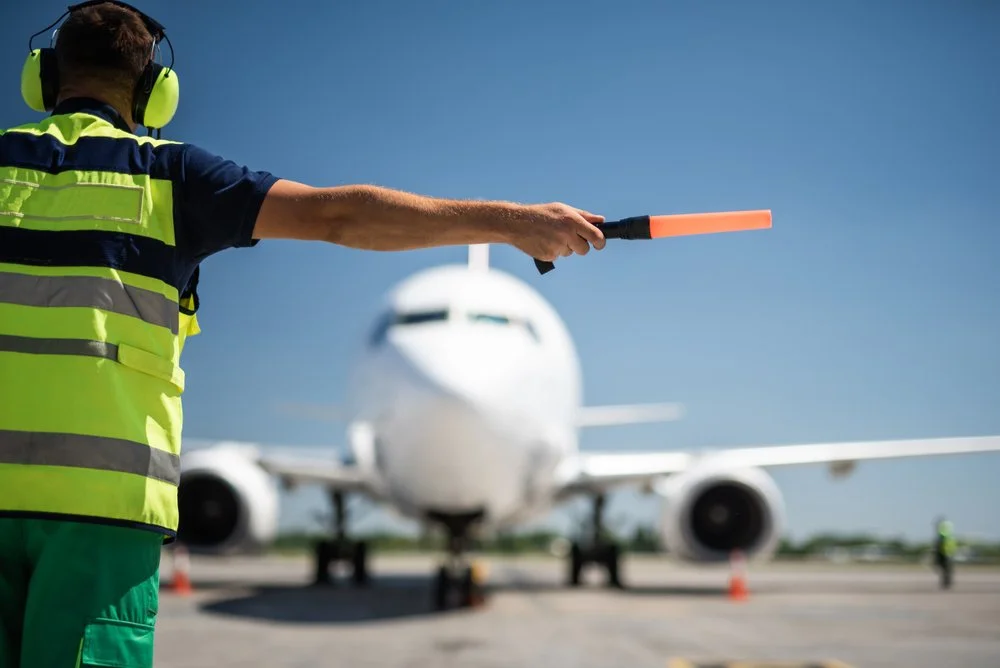
The civil aviation industry is a key component of the global transportation and logistics ecosystem, facilitating the movement of people and goods across continents and directly employing 11 million people globally. Aviation moves more than £5.5 trillion worth of goods annually, accounting for approximately 35% of world trade by value but less than 1% by volume. While vitally important, the global aviation workforce routinely works under a dangerous amount of stress and its safety practices are continually under worldwide scrutiny.
Just Transition and Sustainability Challenges: Fueling Workers’ Worries
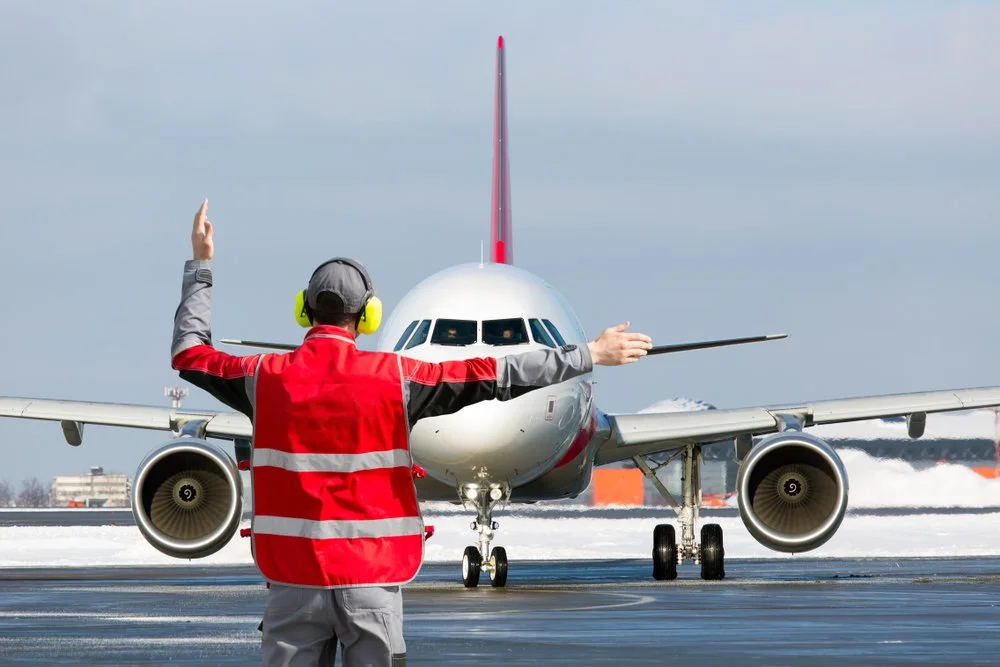
As the aviation industry adopts carbon reduction measures related to achieving net zero emissions by 2050, workers face worries about job security amid the green policies especially in roles linked to fuel-heavy operations. The shift to sustainable aviation fuels (SAFs), electrification, and AI-driven systems means workers must be retrained, but adequate training programs and funding are lacking.
Workers and unions often have little say in climate policies that directly impact their jobs.
Increasing pressures to decarbonise are forcing airlines to commit to net-zero emissions without a clear roadmap for how labour will be affected. Workers worry that airlines may adopt sustainability policies that look good on paper but fail to produce real environmental benefits or improve working conditions. Potentially helpful for workers is the fact that financial institutions are increasingly integrating Just Transition considerations into their investments, hence putting pressure on the airlines to ensure that environmental, social impact, and worker training issues are addressed.
Climate Change Affecting Worker Safety
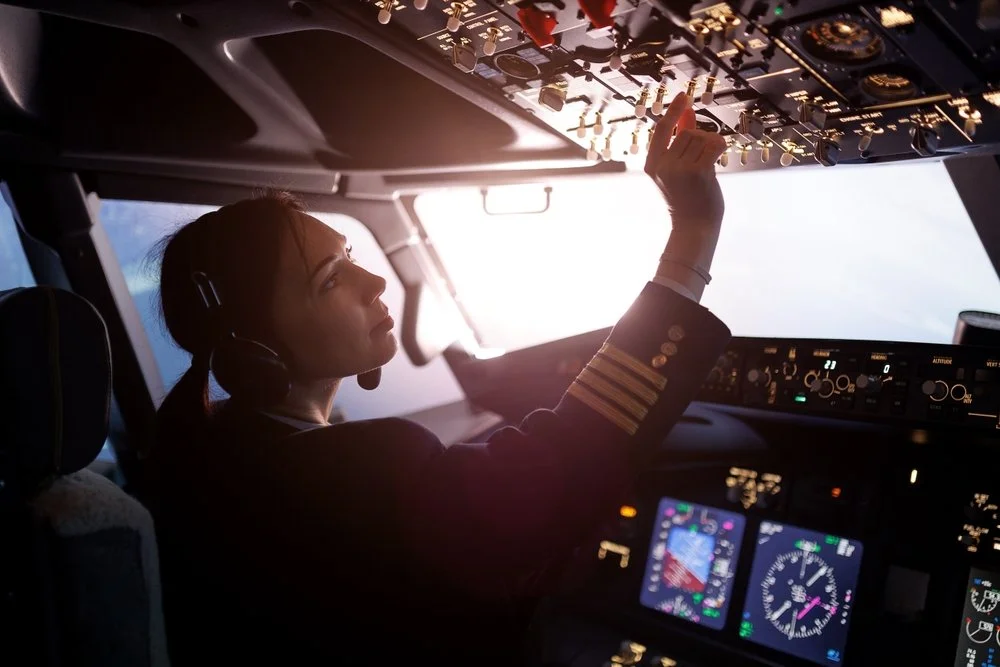
Extreme weather is increasingly affecting aviation workers, including pilots, flight attendants, and ground staff, by heightening safety risks, increasing workloads, and straining physical and mental well-being—issues that are all exacerbated by increased passenger aggression.
Pilots face increased landing and takeoff challenges resulting from storms, extreme heat, and strong crosswinds that make operations more dangerous. Weather-related disruptions force pilots and crew to extend duty hours, increasing fatigue and decision-making stress. Flight attendants are experiencing a rising number of turbulence-related injuries given that turbulence can be hard to predict and cabin crew often work standing or moving. More frequent thunderstorms lead to higher risks of lightning strikes, which cause delays, and ground crews are facing extremes of heat and cold while trying to do their work.
“While vitally important, the global aviation workforce routinely works

Fair Treatment Challenges
Unions are pushing for stricter regulations on crew duty hours to prevent fatigue from weather-induced delays, as well as trying to address numerous other fair treatment challenges. Wages remain a point of contention; despite post-pandemic recovery and record airline profits, many aviation workers still face wage stagnation, outsourcing, and precarious contracts. The health and safety risks continue to mount from rising workloads, fatigue from long shifts, not to mention increasing passenger aggression. Globally, many workers struggle with restrictive labour laws, making it harder to negotiate fair contracts, especially in the wake of airline bailouts.
Automation and AI: Transformative but Risky
As automation continues to transform the civil aviation industry, it also raises significant worker rights issues, particularly regarding job security, working conditions, and decision-making authority. AI-assisted flight management systems may gradually reduce pilots’ roles, leading to deskilling and potential job cuts. Already, some airlines are pushing to reduce the flight crew down to a single pilot to reduce operational costs but at increased safety risk. AI-driven baggage handling, check-in kiosks, and automated security checks reduce demand for ground staff. Privacy concerns arise from AI-based monitoring of flight crews that track performance and may lead to disciplinary actions based on automated assessments. AI decision-making for predictive maintenance may improve efficiency but also reduce the number of human inspectors, potentially leading to safety risks if AI fails to detect issues. Over-reliance on AI systems may limit pilots' ability to override automated decisions, which could be dangerous in emergency situations.
“Algorithm-driven workforce management tools, such as automated scheduling systems, may weaken union negotiations by making it harder for workers to push back against unfavourable assignments.”
Case Study:
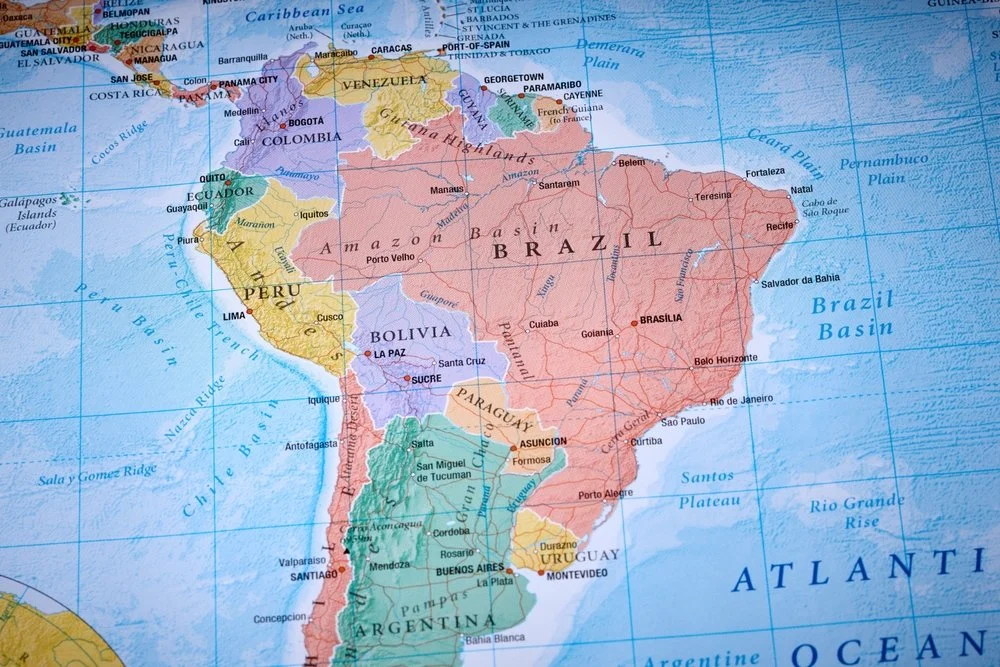
Labour Disputes in South America
The LATAM Airlines labour disputes in South America illustrate critical issues
surrounding workers' rights, particularly in relation to union recognition,
collective bargaining, and job security.
Background
LATAM Airlines, the largest airline in Latin America, operates in multiple countries, including Chile, Brazil, Argentina, Colombia, and Peru. Despite its regional dominance, the airline has faced frequent labour disputes over working conditions, wage disparities, and the company's response to economic downturns.
In Chile, the Sindicato de Tripulantes de Cabina de LAN Express, representing LATAM cabin crew, staged multiple strikes over wage discrepancies and poor working conditions.
LATAM was accused of using legal loopholes to weaken union influence, such as hiring non-unionised contract workers and outsourcing certain roles.
LATAM increasingly relied on subcontracted labour, particularly in ground handling and customer service roles, where workers were often employed under worse conditions than direct employees. This practice reduced job security and created a dual labour market within the airline, where subcontracted workers had fewer benefits and protections.
In 2020, LATAM filed for Chapter 11 bankruptcy in the U.S. to restructure its operations, leading to massive job losses across South America. Unions in Brazil, Chile, and Colombia accused LATAM of using the crisis as an excuse to downsize its workforce permanently and bypass severance obligations. Pilots and cabin crew reported being pressured to accept significant pay cuts under the threat of further layoffs.
In some countries, such as Argentina and Brazil, labour authorities intervened to mediate disputes, but responses varied widely depending on national labour policies.
In contrast, in Peru and Colombia, where labor protections are weaker, workers had less bargaining power to challenge layoffs and contract changes.
Lessons & Implications
Countries with stronger labour protections (e.g., Brazil, Argentina) provided workers with more avenues for legal recourse, whereas those with weaker laws (e.g., Peru, Colombia) saw greater precarity.
LATAM workers’ unions in different countries coordinated protests and legal actions, highlighting the need for transnational labour solidarity in global aviation.
The pandemic accelerated airline restructuring, raising concerns that economic crises are used to justify weakening labour rights.