Cabotage Laws of the World
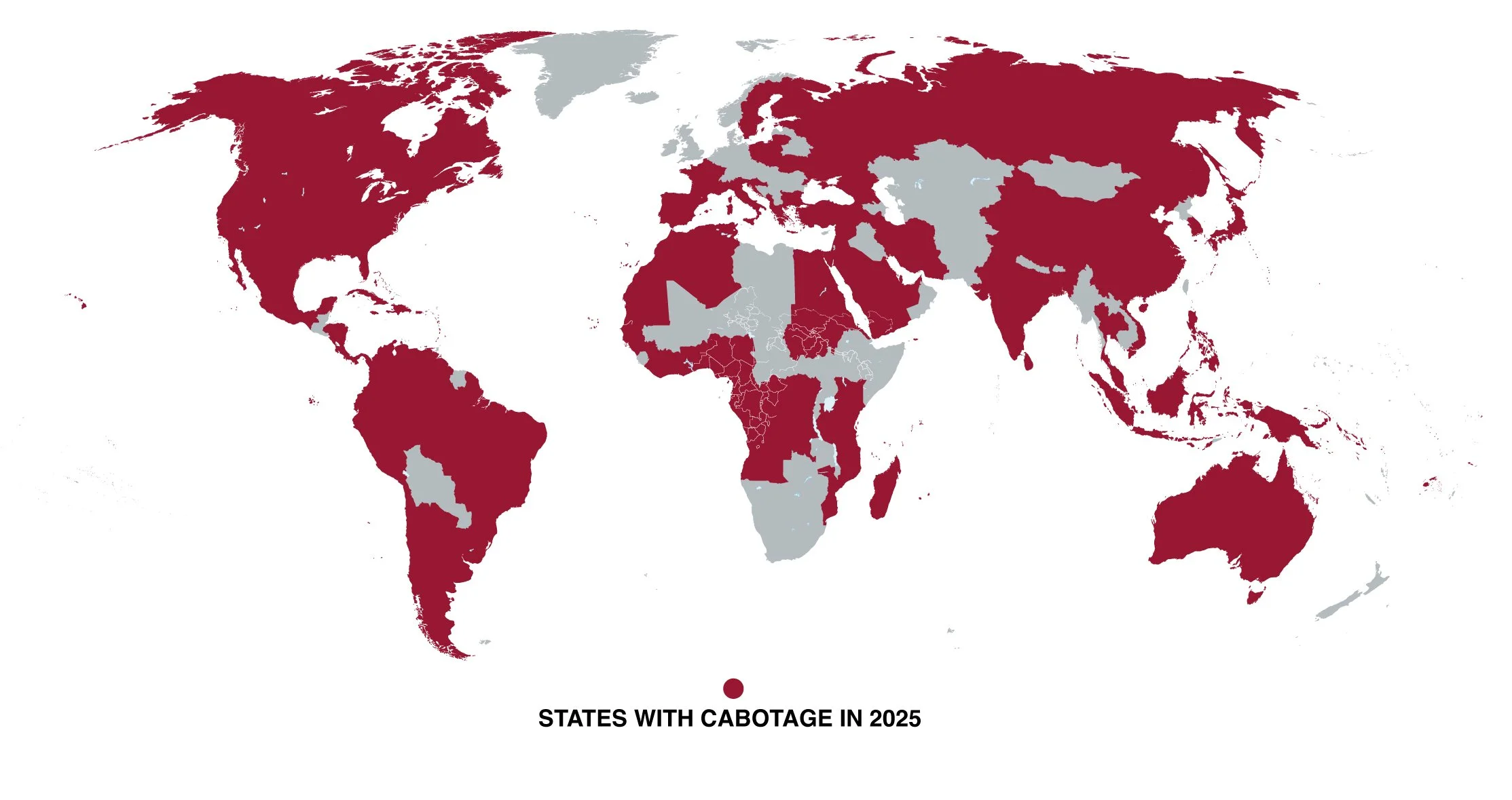
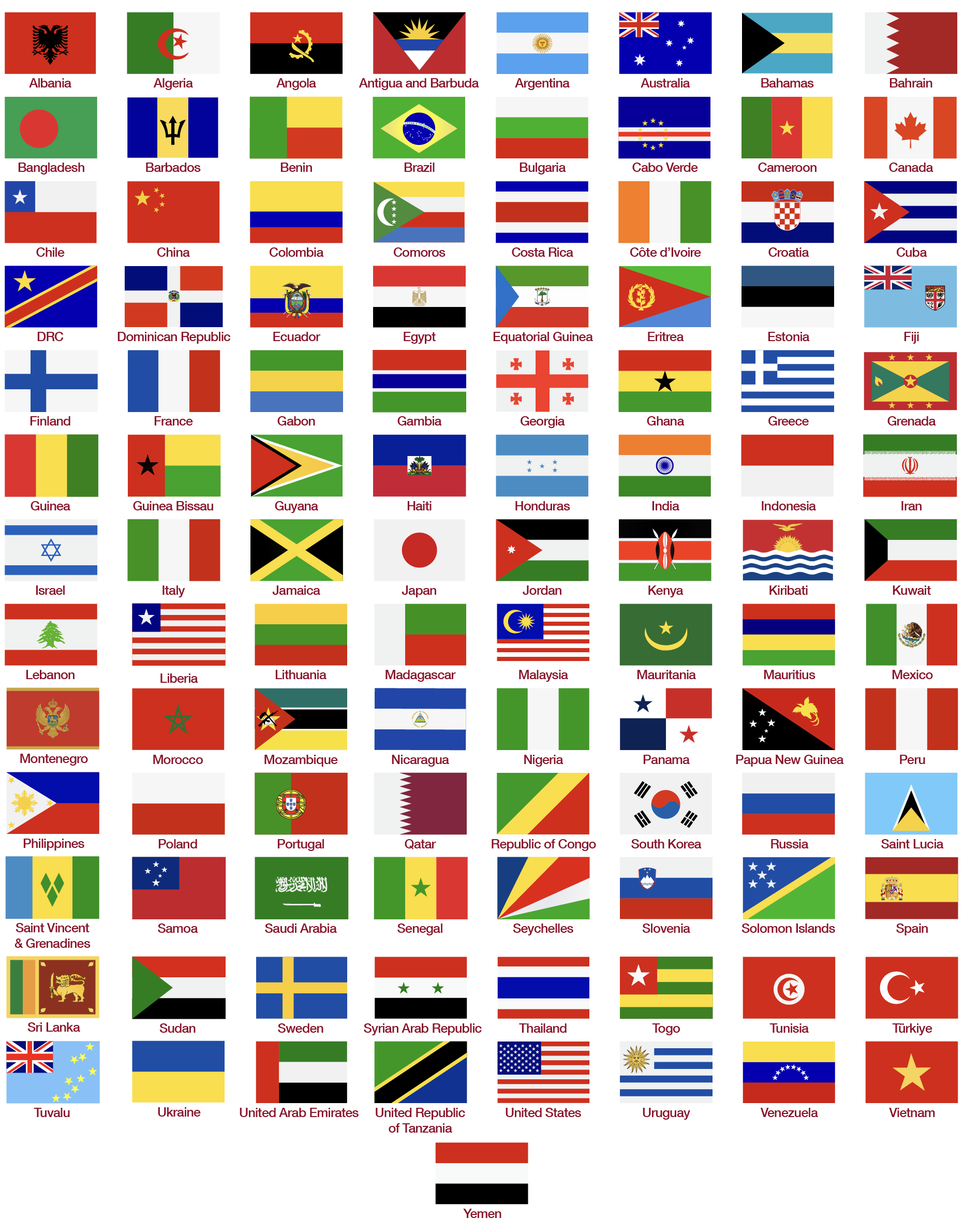
Published in 2025, Cabotage Laws of the World, 2nd ed explores the nature and extent of cabotage laws around the world. The Report identifies 105 member States of the United Nations that have cabotage laws regulating foreign activity in their domestic trades.
The Report describes the history of maritime cabotage and traces a number of early rudimentary legal principles. It sets out examples of the many different definitions of cabotage that exist today at the national, regional and international levels, as well as examples of the restrictions of foreign activity and their waivers in domestic coastal trades.
Cabotage Laws of the World is based on legislation and advice received from professional law firms in around 140 States around the world, who are part of SRI’s independent network of lawyers worldwide. Written by lawyers, but not for lawyers, technical jargon and heavy authoritative footnotes have been kept to a minimum.
Evidence-based decision making is highly dependent on accurate facts and the lack of an up-to-date comprehensive study of cabotage laws around the world has been a major impediment to thoughtful policy-making on the subject.
The independent study was commissioned by the International Transport Workers’ Federation.
The first edition of Cabotage Laws of the World was published in 2018.
105 States with cabotage
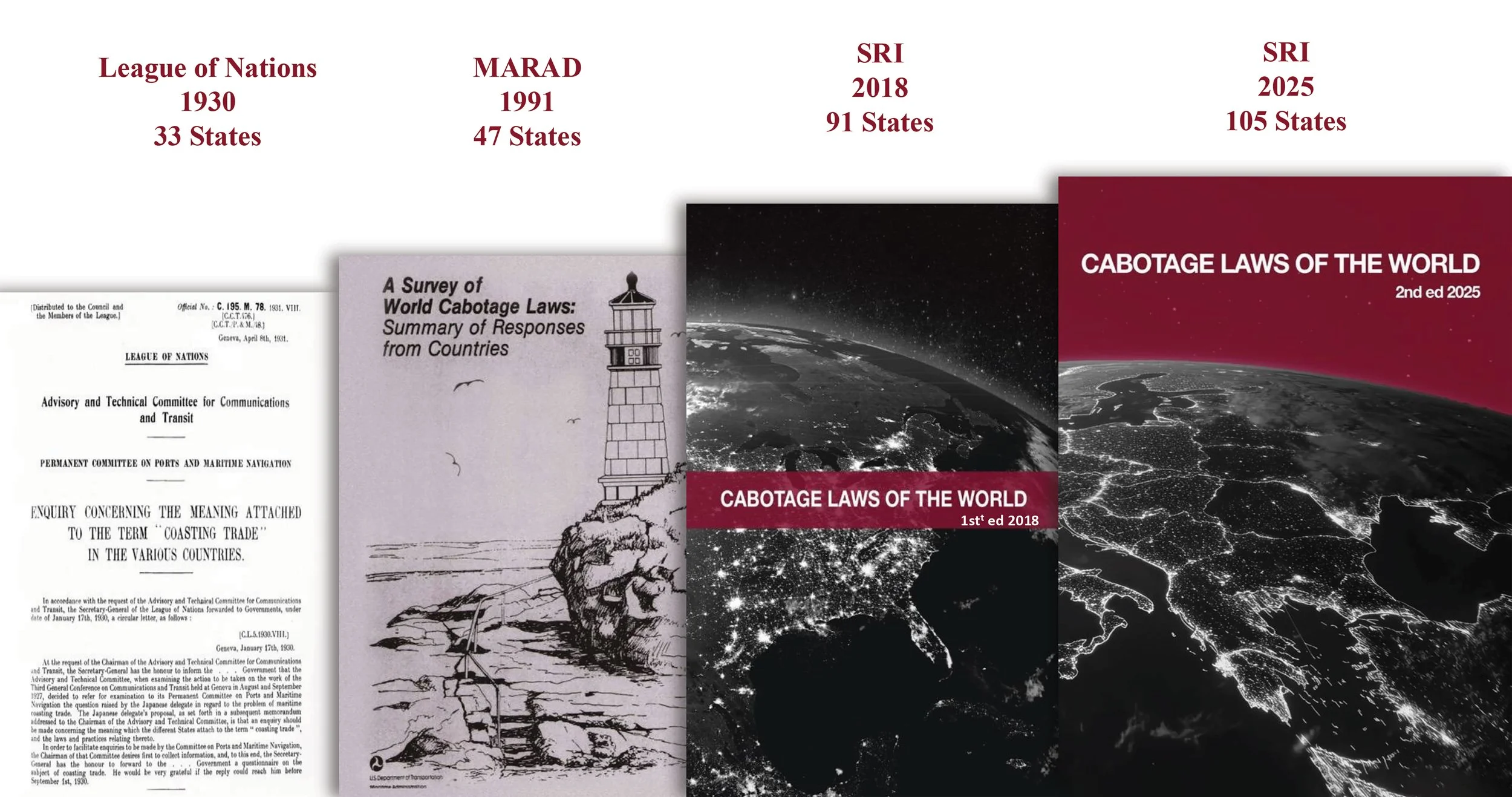
The growth of Cabotage
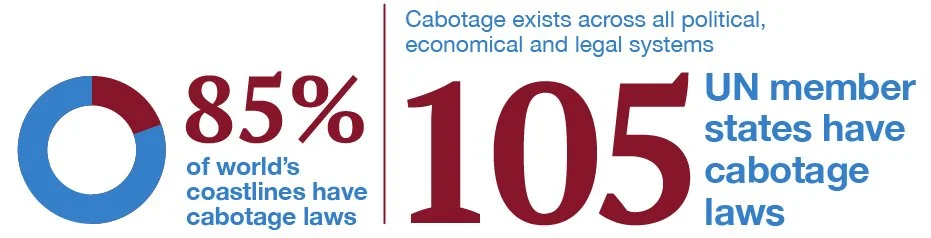
Cabotage Laws of the World 2025
Executive Summary
#1 Cabotage has spread wider and faster than before
In 2025, cabotage laws have spread around the world faster than ever before in the centuries-long history of cabotage. Cabotage has spread in several regions of the world, including in West Africa, in East Africa, in the Horn of Africa, in the Middle East, in Central America, in the Pacific Ocean and in the Caribbean Sea.
#2 Cabotage exists in a majority of States
In 2025, 105 States have been identified as having cabotage laws. In 2018, 91 States were identified as having cabotage laws.
#3 Cabotage exists along a majority of the world’s coastlines
Cabotage exists along the coastlines of approximately 85% of the world (an increase from 80% in 2018). In 2025, there is approximately 15,000 km more coastline covered by cabotage as compared to 2018.
#4 Cabotage exists in every region of the world
In 2025, cabotage exists in all geographic regions of the world including Africa, the Americas, Asia, Europe and Oceania.
#5 The geostrategic significance of cabotage is growing
As security and defence concerns have been heightened, so is the geostrategic significance of cabotage growing.
#6 Cabotage exists in a substantial majority of IMO Council States
Cabotage exists in 80% of States that are members of the IMO Council, that is, 32 out of 40 States. IMO Council States are classified in Category A as “states with the largest interest in providing international shipping services” (10 States), in Category B as “states with the largest interest in international seaborne trade” (10 States), or in Category C as “states which have special interests in maritime transport or navigation” (20 States).
#7 Cabotage laws have endured for centuries and continue to evolve
Cabotage laws, which are steeped in maritime history and have existed in rudimentary form in the laws of some States for centuries, continue to evolve. The evolution continues because of the great changes that are currently sweeping across the world.
#8 Cabotage exists across all political, economic and legal systems
Cabotage exists in States with substantially different political, economic and legal systems and in developed and developing States.
#9 Cabotage is not subject to a single definition
There is no single definition of cabotage that is accepted as binding on all States under international law. Regional and national definitions of cabotage vary widely. States tailor their cabotage laws specifically to meet their own unique national interests and needs.
#10 Cabotage laws are diverse
In national laws, there is a rich variety of approaches taken by States regarding most aspects of cabotage and there is great diversity in the interpretation, administration and enforcement of cabotage. But the distinction between national vessels and foreign vessels is common to all cabotage laws.
#11 Cabotage policy objectives are diverse and changing
Policy objectives underlying cabotage laws aim to: maintain national security within an an emerging geopolitical order; promote fair competition; develop human capacity; transfer maritime knowledge and technology to nationals; create jobs for nationals; increase ships on the national register; promote ship ownership, building and supply services; promote safety and security of ships in port; enhance marine environmental protection; encourage transportation by sea; and provide public services. There is no fixed international hierarchy of policy objectives which vary and change globally and also sometimes within States.
#12 List of cabotage States is neither fixed nor closed
The list of States with cabotage is neither fixed nor closed. It is dynamic. A significant number of States have introduced cabotage and widened cabotage. One State has abolished cabotage since 2018 and a few States have reduced cabotage.