Rail Transport
Vital to Sustainable Global Supply Chain
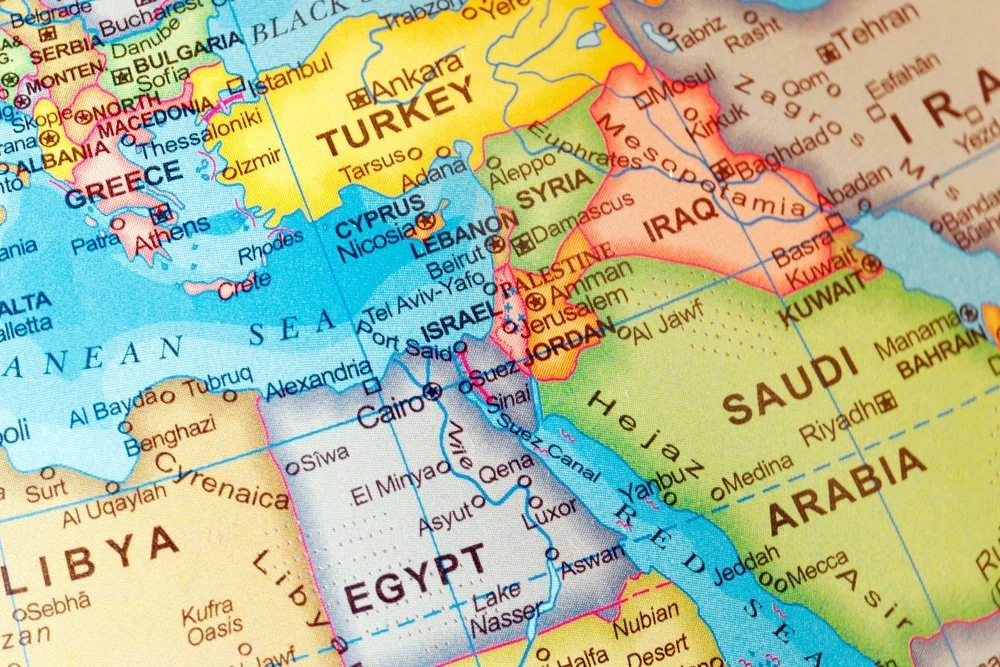
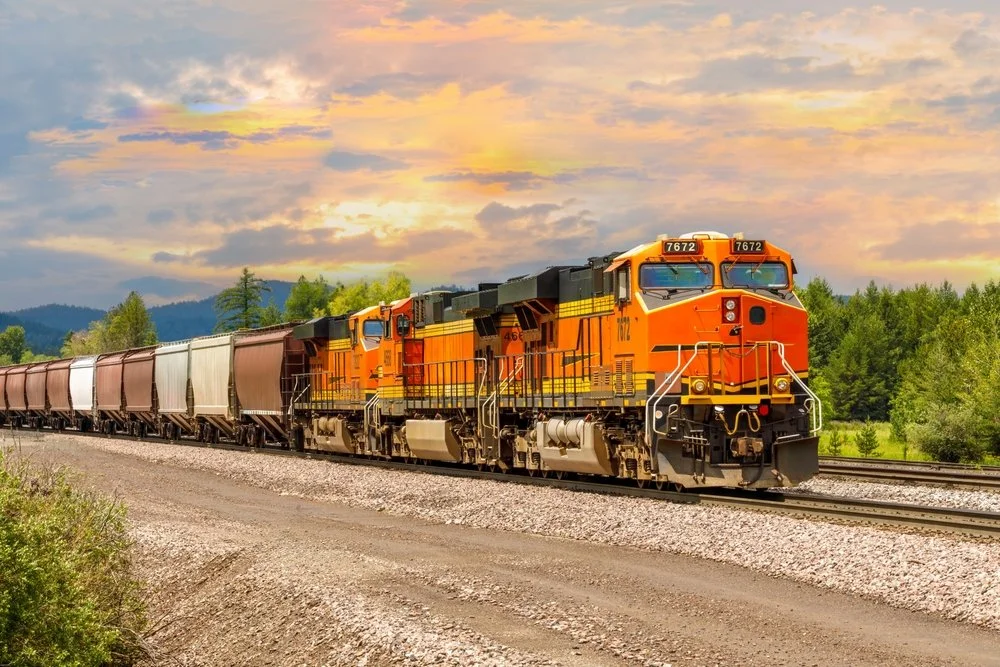
A critical component of global logistics, the rail transport industry moves 40% of global freight by weight. Already considered one of the most sustainable transport modes, rail is expanding in many parts of the world, including the Middle East & Africa, where investments in rail infrastructure are opening new railway corridors (e.g., Gulf Railway, Ethiopia-Djibouti).
Engine electrification and energy efficiency have given rail a lower environmental footprint, however rail transport workers face fair treatment and labour challenges as Just Transition and sustainability initiatives are continuing the shift toward greener, more efficient operations. These challenges vary depending on whether the rail sector is publicly owned, privatised, or a mix of both, with notable disparities in worker protections across different regions.
Just Transition: Reskilling for New Technologies
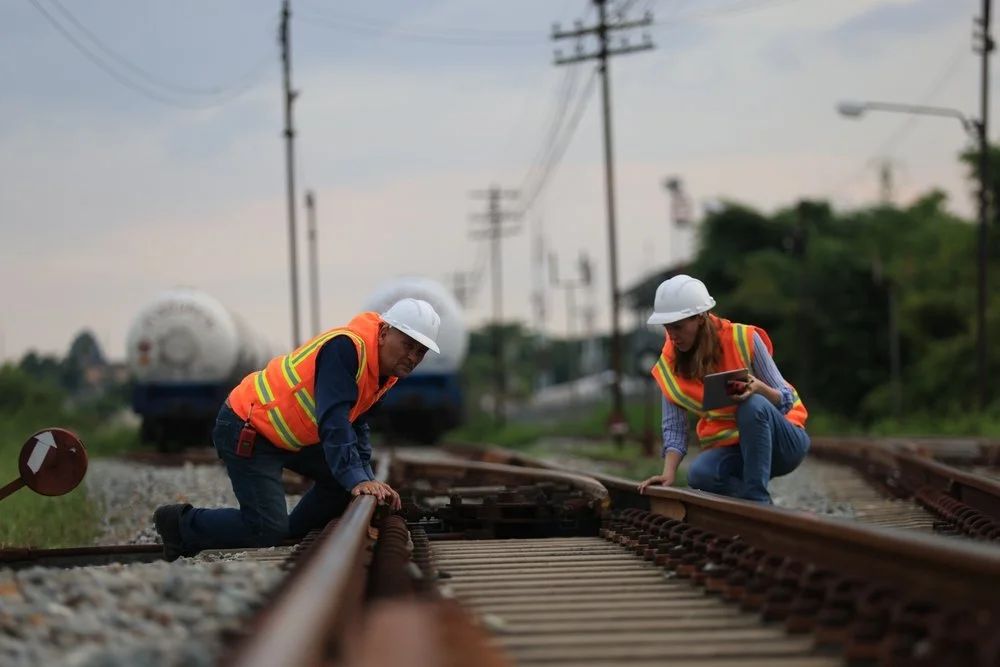
Decarbonisation efforts are resulting in more trains powered by electrical systems or hydrogen, which may may reduce jobs in diesel train maintenance and related industries. Digitalisation of signaling and ticketing systems also threatens traditional rail jobs. New technologies such as remote monitoring and AI-based traffic control may lead to job intensification or changes in shift patterns, impacting work-life balance. Job losses may disproportionately affect older workers and lower-income regions reliant on traditional rail jobs. Just Transition requires reskilling programs for rail transport workers to adapt to new technologies and ensuring that sustainability efforts don’t come at the cost of job losses or worsening conditions.
Rights and Equality During Rapid Pace of Change
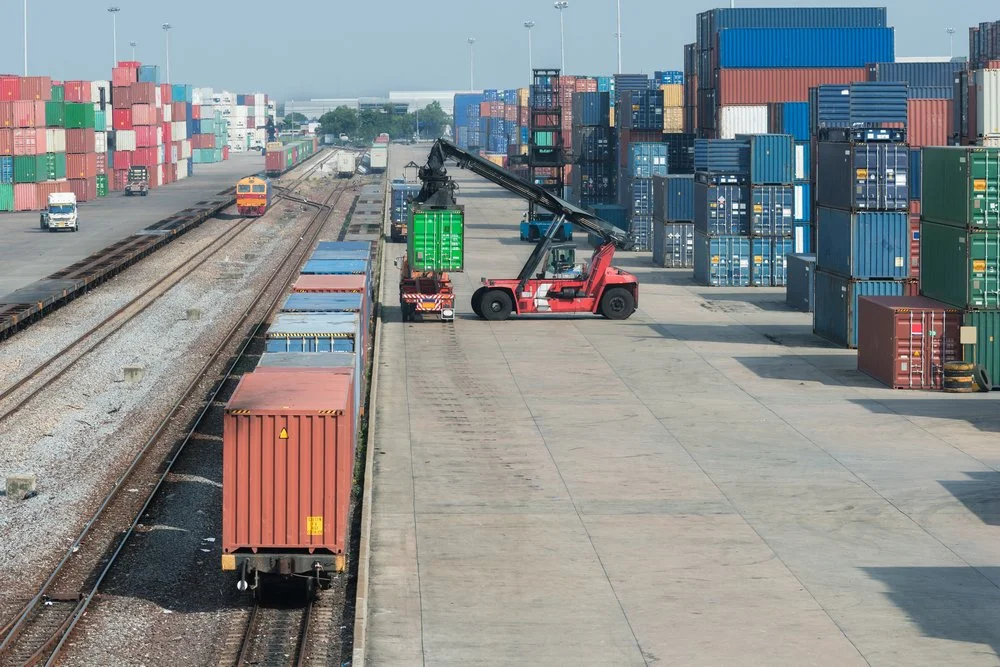
With the increased adoption of automation and digitalisation, rail transport workers face rights and equality issues worldwide. A lack of clear transition policies for workers displaced by technology is making things worse. Many rail workers, especially in developing countries, face low wages, wage theft, or delayed salaries as well as excessive working hours due to staff shortages and cost-cutting measures. Gender inequality is reflected in underrepresentation of women in rail, especially in technical and leadership roles, and unequal pay and promotion barriers compared to male counterparts. Female rail workers also face harassment.
“Rail transport workers face fair treatment and labour challenges as Just Transition and sustainability initiatives are continuing the shift toward greener, more efficient operations.”
Health and Safety Issues
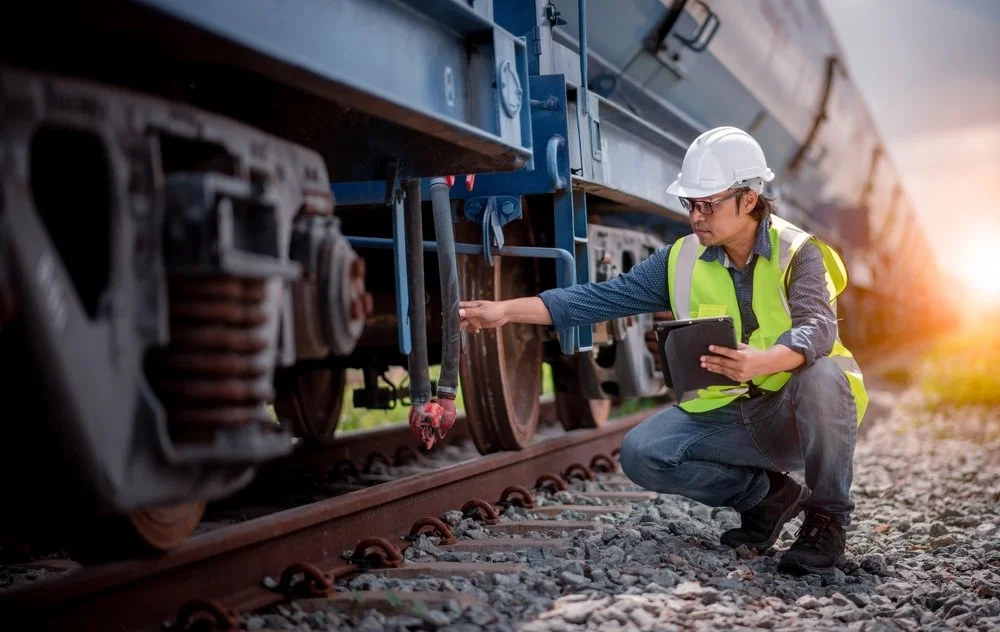
Exposure to hazardous materials (diesel fumes, chemicals, noise pollution) affects rail transport workers' health. Poor safety enforcement leads to accidents, derailments, and fatalities. Mental health issues arise due to shift work, high stress, and inadequate support. Also affecting mental health are the lack of LGBTQ+ protections in rail employment policies in many regions as well as disability accessibility issues for both workers and passengers in many rail systems.
Privatisation’s Impact on Right to Organise and Collective Bargaining
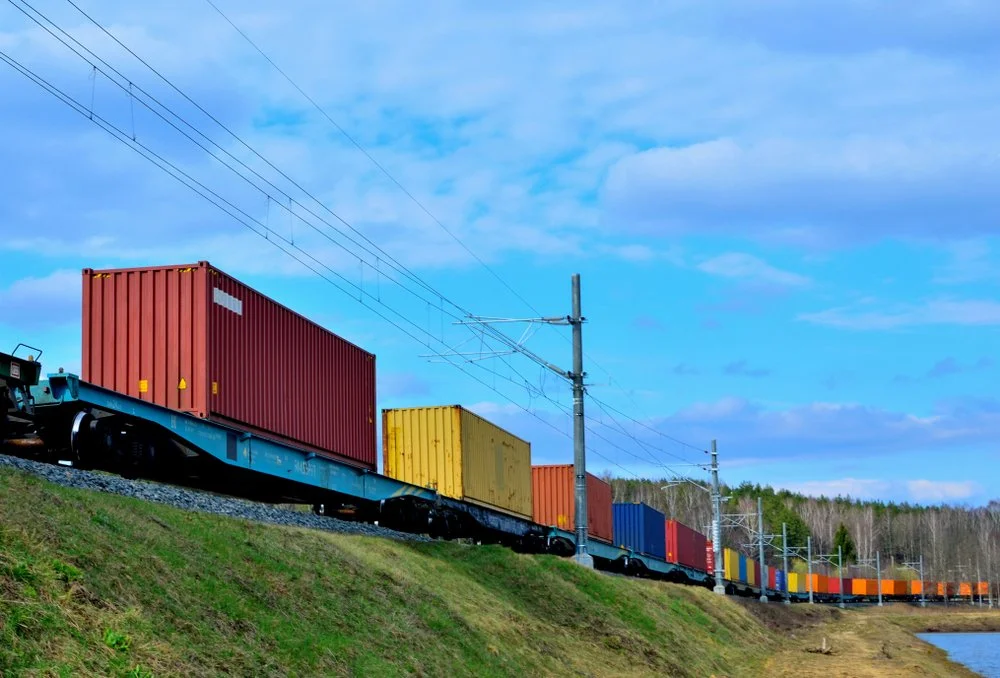
Rail privatisation, which is driven by economic, political, and operational factors, typically has a negative impact on workers’ rights including job security, wages, union influence, and working conditions. Mass layoffs are common as private companies prioritise cost-cutting and efficiency and more contract and temporary jobs replace full-time positions with benefits. Lower salaries result when private operators seek to reduce labour costs and there may be a loss of pensions and healthcare benefits that were previously guaranteed under public ownership. Privatisation leads to a weakening of unions and collective bargaining, with union-busting tactics including breaking up national unions into smaller, weaker bargaining units. With weaker unions, there can be restrictions on strikes and also difficult contract negotiations when private operators resist wage increases and improved working conditions.
“Rail privatisation leads to a weakening of unions and collective bargaining, with union-busting tactics including breaking up national unions into smaller, weaker bargaining units.”
Case Study:
Migrant Rail Transport Workers in the Middle East
The Middle East, particularly the Gulf Cooperation Council (GCC) countries, has seen significant investment in railway infrastructure in recent years. Major projects include the Etihad Rail network in the United Arab Emirates (UAE) and Saudi Arabia’s Haramain High-Speed Railway. These projects have relied heavily on migrant labour, raising serious concerns about workers’ rights, fair wages, and working conditions.
The railway workforce in the UAE and Saudi Arabia is dominated by migrant workers from South Asia (India, Pakistan, Bangladesh, Nepal) and Africa. Migrant railway workers are often employed under the kafala (sponsorship) system, which ties their visa status to their employer, restricting their ability to change jobs or advocate for better conditions.
Workers face contract substitution, where promised wages and benefits are reduced once they arrive in the country.
Workers on major rail projects have reported delayed or withheld wages, a common issue in Gulf construction projects. In Saudi Arabia, workers on the Haramain High-Speed Rail project went months without pay, leading to protests and eventual intervention by authorities. The UAE government has introduced Wage Protection Systems (WPS) for migrant workers, but enforcement remains inconsistent, particularly for subcontracted laborers.
Trade unions are banned in the UAE and Saudi Arabia, preventing railway workers from negotiating wages or improving working conditions through collective bargaining.
Strikes and labour protests are criminalised, and workers who participate face deportation or blacklisting from future employment in the region. Without formal representation, railway workers depend on NGOs and international advocacy groups to highlight labour abuses.
The UAE has implemented some labour reforms, such as wage protection measures and restrictions on midday work during extreme heat, but enforcement remains weak.
Saudi Arabia has introduced initiatives like “labour mobility reforms” aimed at easing restrictions on migrant workers, but many still face barriers in practice.
Lessons & Implications
Migrant labour exploitation remains a central issue in the Middle East’s rail sector, requiring stronger legal protections and enforcement mechanisms.
The lack of trade unions and collective bargaining prevents railway workers from advocating for better conditions.
International pressure and corporate accountability play a crucial role in improving labour standards in large infrastructure projects.