Road Transport
in Midst of Rapidly Changing Industry
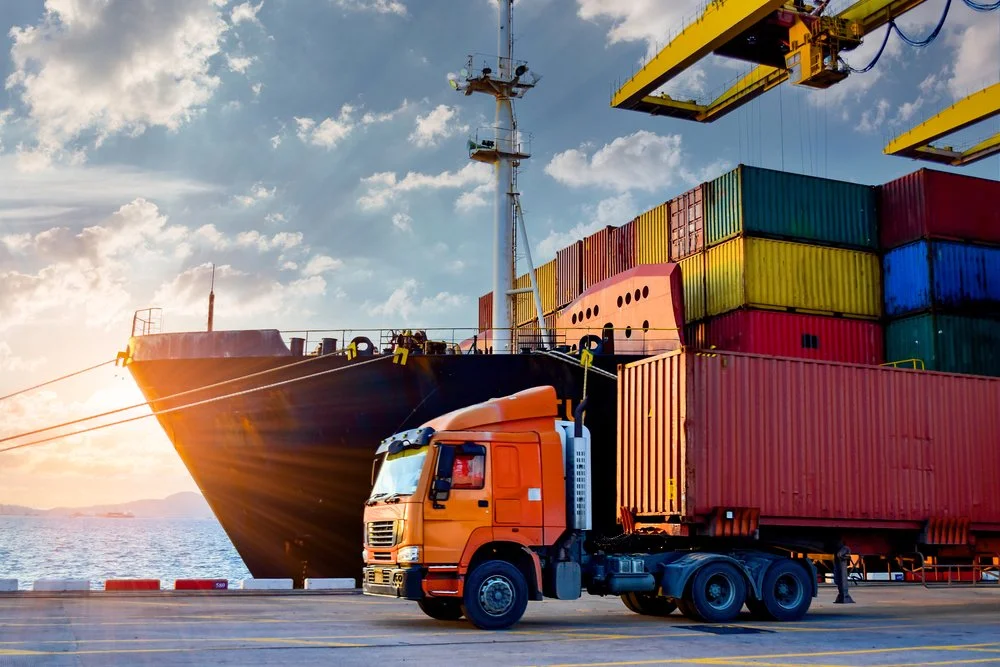
The road transport industry is the most widely used mode of transportation in the world, serving as the primary link in global logistics by connecting air, sea, and rail transport. Dominating the supply chain due to its flexibility, last-mile connectivity, and cost-effectiveness, road transport moves 60% of global freight. However, the road transport sector is undergoing significant economic, environmental, and technological changes, which present major challenges for workers. These challenges primarily relate to job security, working conditions, and environmental sustainability as governments and companies transition toward cleaner and more efficient transport systems.
Just Transition: Reskilling Workers for New Technologies
Workers are facing job losses due to automation and digitalisation in the road transport sector as autonomous trucks and buses threaten to replace millions of drivers worldwide. Digital platforms (e.g., Uber, Bolt) reduce job security for taxi and delivery drivers by shifting them to gig work. Fleet management automation reduces the need for administrative transport jobs. Government re-skilling programs are needed for affected workers as well as regulations ensuring human oversight in autonomous transport.
Workers are affected by the shift to electric and green vehicles (EVs) as well. EVs require less maintenance, reducing demand for mechanics and repair jobs. Transitioning from diesel/gasoline vehicles threatens jobs in traditional fuel industries (e.g., gas station workers, truck mechanics). The high cost of electric trucks/buses may cause small transport businesses to struggle or shut down. Just Transition reskilling is needed in the form of EV maintenance training for mechanics to work with new vehicle technology.

Sustainability Challenges for Road Transport Workers
The transition to sustainable transport is crucial, especially in light of the many health and safety risks that road transport workers face from pollution and climate change. Increased respiratory diseases for bus/truck drivers in congested cities are due to diesel emissions and poor air quality. Heatwaves and extreme weather such as floods and storms create hazardous driving conditions. Longer working hours in hotter temperatures increase heatstroke risks for delivery and truck drivers.
Sustainability initiatives have repercussions for workers. With green regulations, many countries are phasing out diesel and gasoline trucks, creating uncertainty for drivers. Low Emission Zones (LEZs) restrict diesel vehicle access, forcing truckers and bus operators to upgrade fleets. The transition to EVs and hydrogen vehicles requires costly investments, which small transport businesses may not be able to afford.
“The road transport sector is undergoing significant economic, environmental, and technological changes, which present major challenges for workers.”
Fair Treatment Issues: Low Wages, Long Hours, Lax Safety
Low wages and unpaid working hours plague road transport workers globally. Many truck, bus, and delivery drivers are paid per trip or per mile, leading to wage instability. Unpaid waiting times at warehouses, border crossings, and delivery hubs reduce actual earnings. Gig economy workers (Uber, DoorDash, Amazon Flex) often earn below minimum wage after deducting fuel and maintenance costs. Excessive working hours are also common. Truck drivers often work 12–16 hour shifts, leading to exhaustion and higher accident risks. Delivery workers are pressured to meet tight deadlines, leading to unsafe driving. Other safety concerns include lack of access to safe rest areas and secure sanitation facilities. Truckers face highway robbery and cargo theft, particularly in Latin America, Africa, and South Asia. Taxi and ride-hailing drivers frequently face physical attacks and carjackings. Bus drivers and ticket inspectors are often targeted in passenger violence incidents. Many drivers work without proper medical benefits, despite the high health risks from long hours and stress.
“Challenges related to job security, working conditions, and environmental sustainability are part of the transition toward cleaner and more efficient transport systems.”
Case Study: Truck Drivers in Kenya
The labour rights struggles of truck drivers in Kenya illustrate workers’ issues typical of the road transport sector. Kenya's trucking industry is a crucial component of East Africa’s economy, particularly for regional trade along the Northern Corridor, which links the port of Mombasa to landlocked countries such as Uganda, Rwanda, and South Sudan. However, truck drivers face severe labour rights challenges, including exploitation, unsafe working conditions, and lack of legal protections.
Background
Many truck drivers in Kenya work under informal agreements, with no written contracts, social security, or guaranteed wages. Some drivers are employed directly by trucking companies, but many operate under "own-account transport", meaning they bear the cost of vehicle maintenance, fuel, and insurance while receiving little protection from employers. Wage theft and delayed payments by employers are common, with drivers often going unpaid for weeks or months.
Drivers are often forced to work long shifts, sometimes exceeding 18 hours per day, to meet tight delivery deadlines. Kenyan truck drivers face extensive police harassment, with frequent bribe demands at roadblocks, leading to financial strain and work-related stress. Cross-border drivers on routes to Uganda, Rwanda, and South Sudan experience additional exploitation, including delays at checkpoints and corruption from customs officials. Many truck drivers have limited access to medical care, especially those working across borders, where health insurance coverage is unclear. Risks of HIV/AIDS transmission and other health issues are prevalent due to prolonged absences from home and poor living conditions in trucking stopovers.
The Kenya Long Distance Truck Drivers and Allied Workers Union (KLDTDAWU) has advocated for better wages, safety protections, and formal employment contracts.
Protests and strikes have occurred, demanding better pay structures, improved security, and enforcement of legal protections. While labour laws exist, enforcement remains inconsistent, especially for self-employed or informally contracted drivers. The Kenyan government has made periodic efforts to improve road transport safety regulations, but resistance from transport companies and corruption among authorities weaken implementation.
Lessons & Implications
Formalising employment and strengthening enforcement of labour laws are critical for improving truck drivers’ working conditions.
Regional coordination is necessary to protect cross-border truckers from wage exploitation and police harassment.
Social dialogue between truckers’ unions, employers, and governments must be strengthened to ensure fair treatment and wage stability.